

The Importance of Handmade Soaps for Eco-Conscious Consumers

Updated: Sep 21
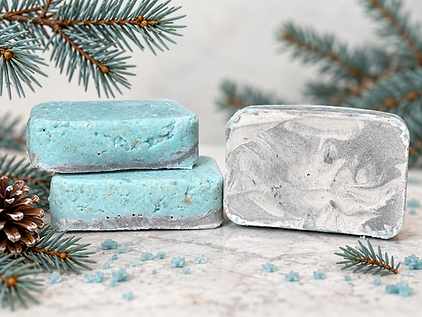
Handmade soaps are crafted in small batches using natural ingredients. Unlike mass-produced soaps, they avoid synthetic detergents, harsh chemicals, and artificial fragrances. The process usually involves cold or hot saponification, where oils and lye combine to create soap with glycerin intact. Glycerin is a natural moisturizer often removed from commercial soaps.
What Makes Handmade Soaps Different
Key Characteristics of Handmade Soaps
Natural oils and butters such as olive oil, coconut oil, shea butter, and cocoa butter provide nourishment.
Essential oils offer gentle fragrance and therapeutic benefits without synthetic chemicals.
Botanical additives like herbs, flower petals, and clays add texture and skin benefits.
No synthetic preservatives or detergents which can irritate sensitive skin.
Glycerin retention helps keep skin hydrated and soft.
These features make handmade soaps a healthier choice for your skin and the planet.
Benefits of Handmade Soaps for Your Skin
Many commercial soaps contain harsh ingredients that strip natural oils, leaving skin dry and irritated. Handmade soaps offer a gentler cleansing experience with several advantages:
Moisturizing and Nourishing
The natural oils in handmade soaps help maintain the skin’s moisture barrier. Glycerin attracts water to the skin, preventing dryness. Ingredients like shea butter and coconut oil provide vitamins and fatty acids that support skin health.
Suitable for Sensitive Skin
People with eczema, psoriasis, or allergies often find handmade soaps less irritating. Without synthetic fragrances or harsh detergents, these soaps reduce the risk of redness, itching, and inflammation.
Antioxidant and Healing Properties
Many handmade soaps include ingredients rich in antioxidants, such as green tea, honey, or oatmeal. These components help protect skin from environmental damage and promote healing.
Customizable for Skin Types
Artisans can tailor handmade soaps for oily, dry, or combination skin by adjusting oils and additives. For example:
Dry skin benefits from moisturizing oils like avocado or almond oil.
Oily skin improves with clay or charcoal to absorb excess oil.
Sensitive skin soothes with calendula or chamomile.
How Handmade Soaps Support Sustainability
Sustainability is a growing concern for consumers who want to reduce their environmental impact. Handmade soaps contribute to sustainability in several ways:
Natural Ingredients Reduce Pollution
Using plant-based oils and natural additives means fewer synthetic chemicals enter waterways. Commercial soaps often contain phosphates and sulfates that harm aquatic life.
Minimal Packaging Waste
Many handmade soap makers use biodegradable or recyclable packaging, such as paper wraps or cardboard boxes. Some even offer package-free options, reducing plastic waste.
Small Batch Production Limits Waste
Handmade soaps are produced in small quantities, which reduces overproduction and unsold inventory. This approach lowers resource consumption and waste.
Support for Local and Ethical Businesses
Buying handmade soaps often means supporting local artisans who prioritize ethical sourcing and fair labor practices. This strengthens communities and promotes responsible business.
Choosing the Right Handmade Soap for You
With many options available, selecting the right handmade soap can feel overwhelming. Here are practical tips to help you find a soap that suits your skin and values:
Check the Ingredient List
Look for recognizable, natural ingredients. Avoid soaps with synthetic fragrances, parabens, sulfates, or artificial colors. Ingredients should be simple and transparent.
Consider Your Skin Type
Match the soap’s ingredients to your skin’s needs. For example:
Dry skin: Look for moisturizing oils like olive, jojoba, or shea butter.
Oily skin: Choose soaps with charcoal, clay, or tea tree oil.
Sensitive skin: Opt for fragrance-free or mild essential oils like lavender or chamomile.
Test for Allergies
If you have sensitive skin or allergies, test a small patch before regular use. Handmade soaps may contain nuts or botanicals that could cause reactions.
Support Ethical Brands
Research the soap maker’s sourcing and production practices. Choose brands that prioritize sustainability, cruelty-free testing, and fair trade ingredients.
Try Different Scents and Textures
Handmade soaps come in a variety of scents and textures. Experiment with floral, herbal, or citrus essential oils to find what you enjoy. Some soaps include exfoliating ingredients like oatmeal or ground seeds for added benefits.
How to Use Handmade Soap for Best Results
Using handmade soap properly enhances its benefits and extends its life:
Use lukewarm water to avoid stripping natural oils.
Lather gently with your hands or a soft cloth.
Rinse thoroughly to remove all soap residue.
Store soap in a dry place between uses to prevent it from becoming mushy.
Rotate soaps to enjoy different benefits and scents.
Making Your Own Handmade Soap
For those interested in a hands-on approach, making soap at home can be rewarding. Basic supplies include oils, lye, water, and molds. Recipes vary depending on desired properties.
Simple Cold Process Soap Recipe
16 oz olive oil
8 oz coconut oil
4 oz castor oil
6 oz lye (sodium hydroxide)
16 oz water
Essential oils for fragrance (optional)
Safety is crucial when handling lye. Always wear protective gear and work in a well-ventilated area. Numerous tutorials and kits are available for beginners.
Final Thoughts on Handmade Soaps
Handmade soaps offer a natural, gentle way to care for your skin while supporting sustainable practices. Their nourishing ingredients, minimal environmental impact, and customizable options make them a smart choice for anyone seeking healthier beauty products. By choosing handmade soaps, you invest in your skin’s well-being and contribute to a cleaner planet.
Explore local artisans or trusted online makers to find soaps that fit your lifestyle. Your skin and the environment will thank you.
This post provides general information about handmade soaps and is not a substitute for professional medical advice. If you have specific skin conditions, consult a dermatologist before trying new products.


Comments